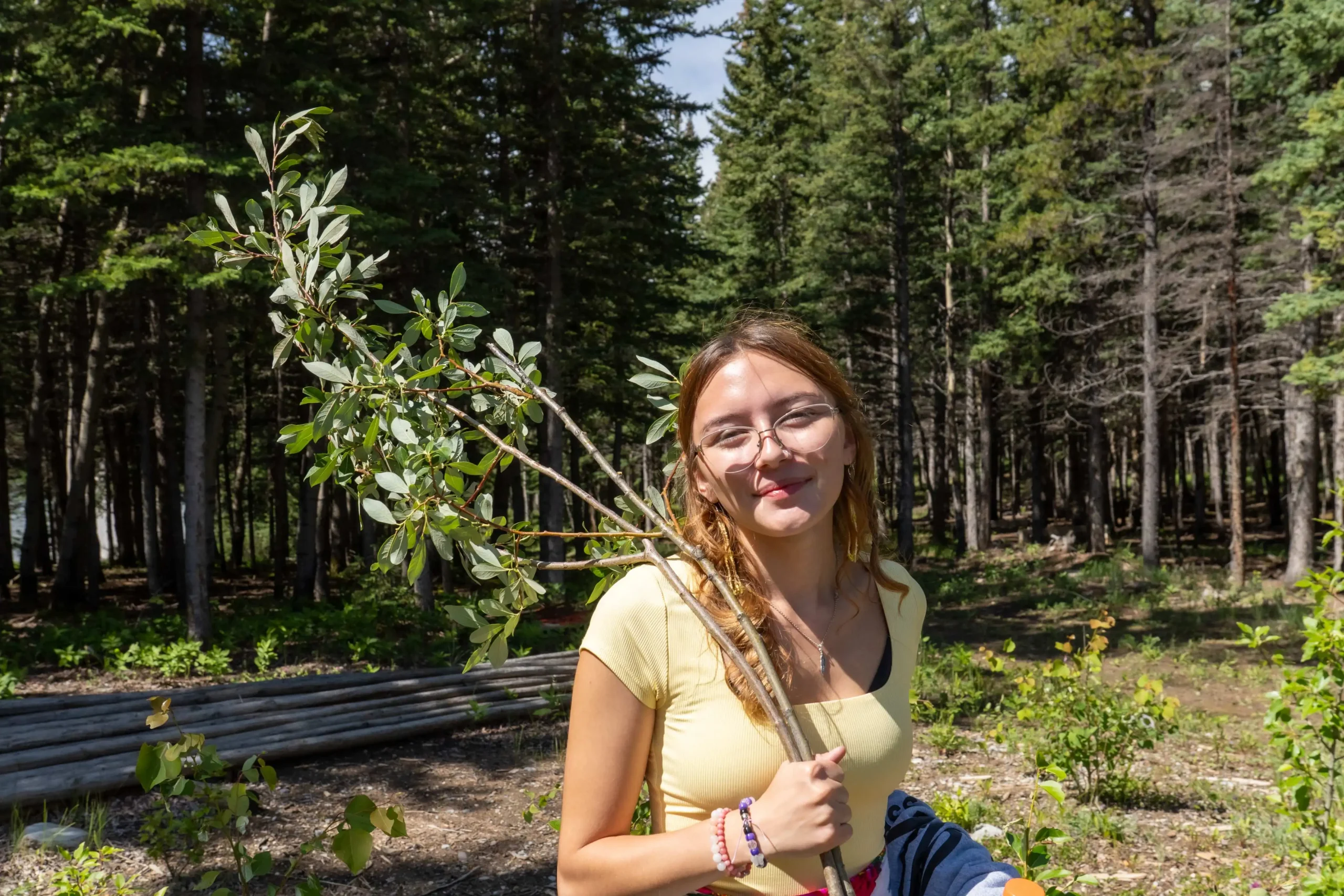
Deepening Opportunities for Healing, Growth and Leadership
Through programs like Iiyika’kimaat, Home Fire and Culture Camp, we’re providing opportunities for healing, growth and leadership. These culturally grounded programs help youth, adults and families feel a sense of identity and purpose, from building natural supports to participating in ceremony and learning from Elders.
Acknowledging the Land
Trellis’ commitment to reconciliation starts with taking this opportunity to acknowledge our honour and privilege to live and work within the Treaty 7 territory. We acknowledge the traditional and ancestral territory and oral practices of the Blackfoot Confederacy, which includes the Siksika Nation, the North and South Piikani Nations and the Kainai Nation.
We also acknowledge the other members of Treaty 7 First Nations, the Tsuut’ina and Ĩyãħé Nakoda (Stoney Nakoda) which include Chiniki, Bearspaw and Goodstoney First Nations. In addition, the City of Calgary is home to the Métis Nation of Alberta (Region 3). Finally, we acknowledge all nations, genders and spirits who live, work and play in Moh’kinstsis, the Blackfoot name for Calgary, and Treaty 7 Region of Southern Alberta who help us steward this land, honour and celebrate this territory.
In everything we do, we strive to create a space of reconciliation and inclusion. All Trellis staff and foster families receive education on Indigenous culture, and we provide specialized programs and services that intentionally support the growth, stability, and healing of Indigenous communities.
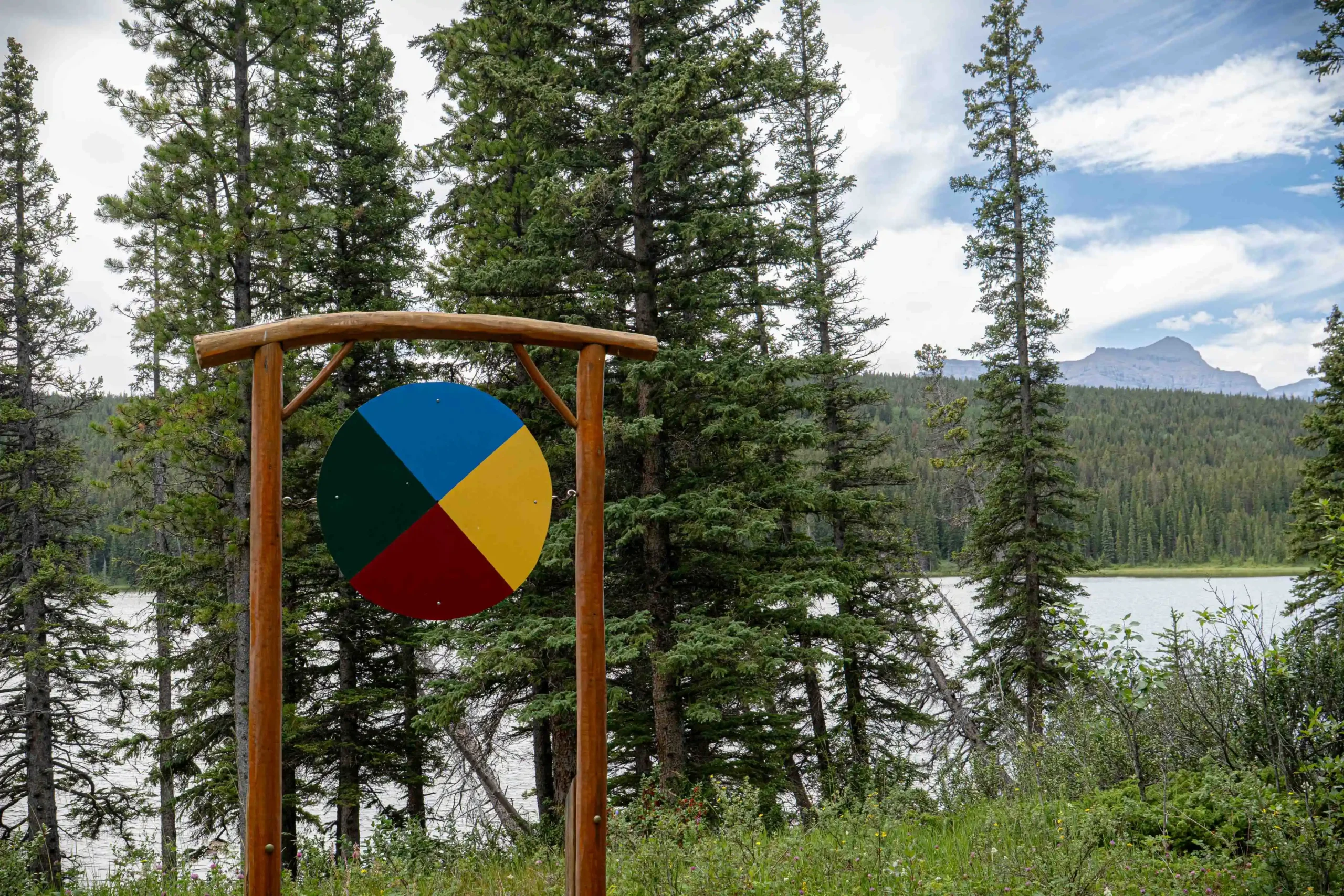
National Day for Truth & Reconciliation
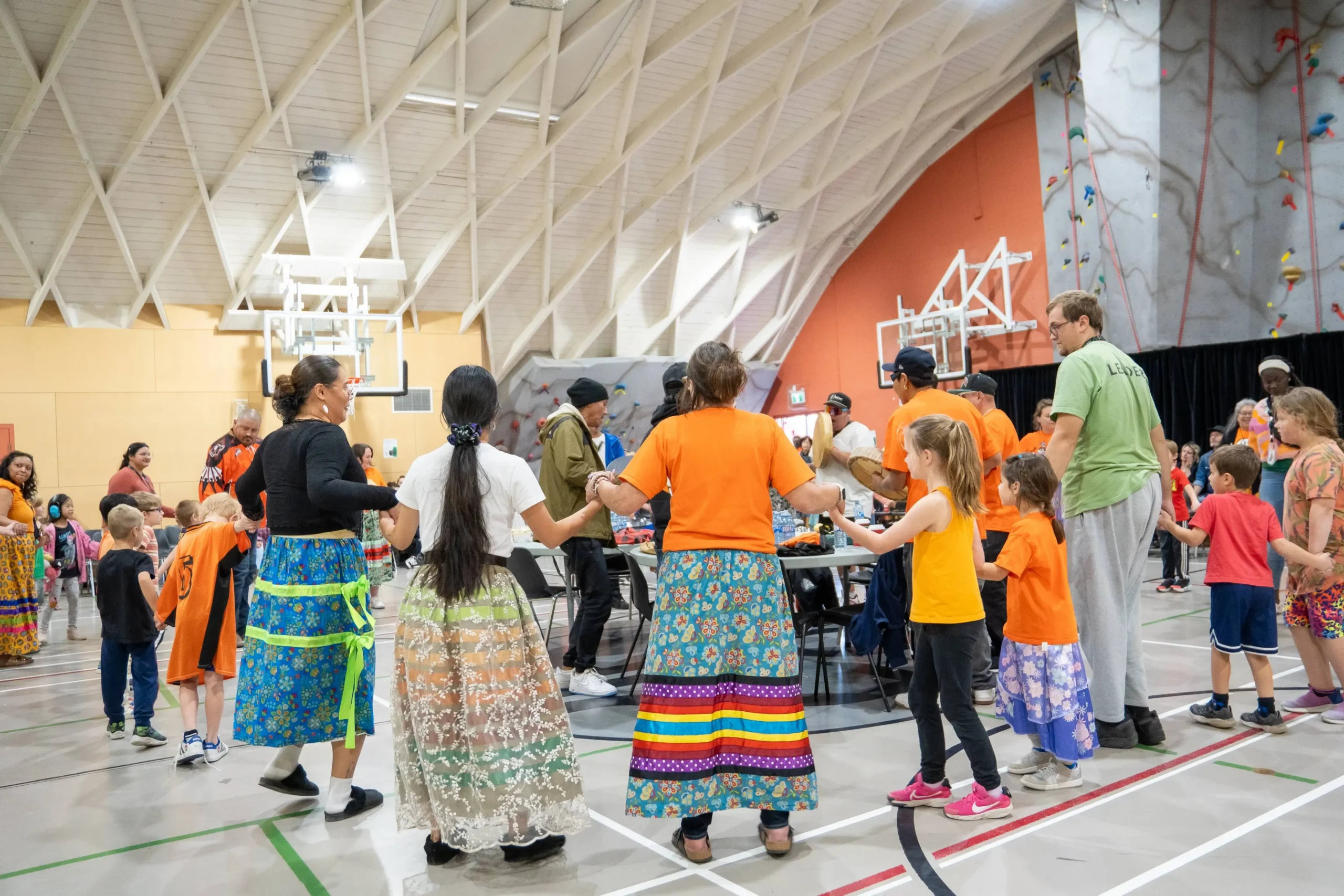
National Day for Truth & Reconciliation, also known as Orange Shirt Day, is observed each year on September 30. At Trellis, we honour this day with our annual Round Dance, where staff, families and supporters gather in the healing spirit of Truth and Reconciliation.
As we join hands, celebrate life and lift one another up in friendship and inclusion, the Round Dance reminds us that reconciliation is a shared journey we walk together.
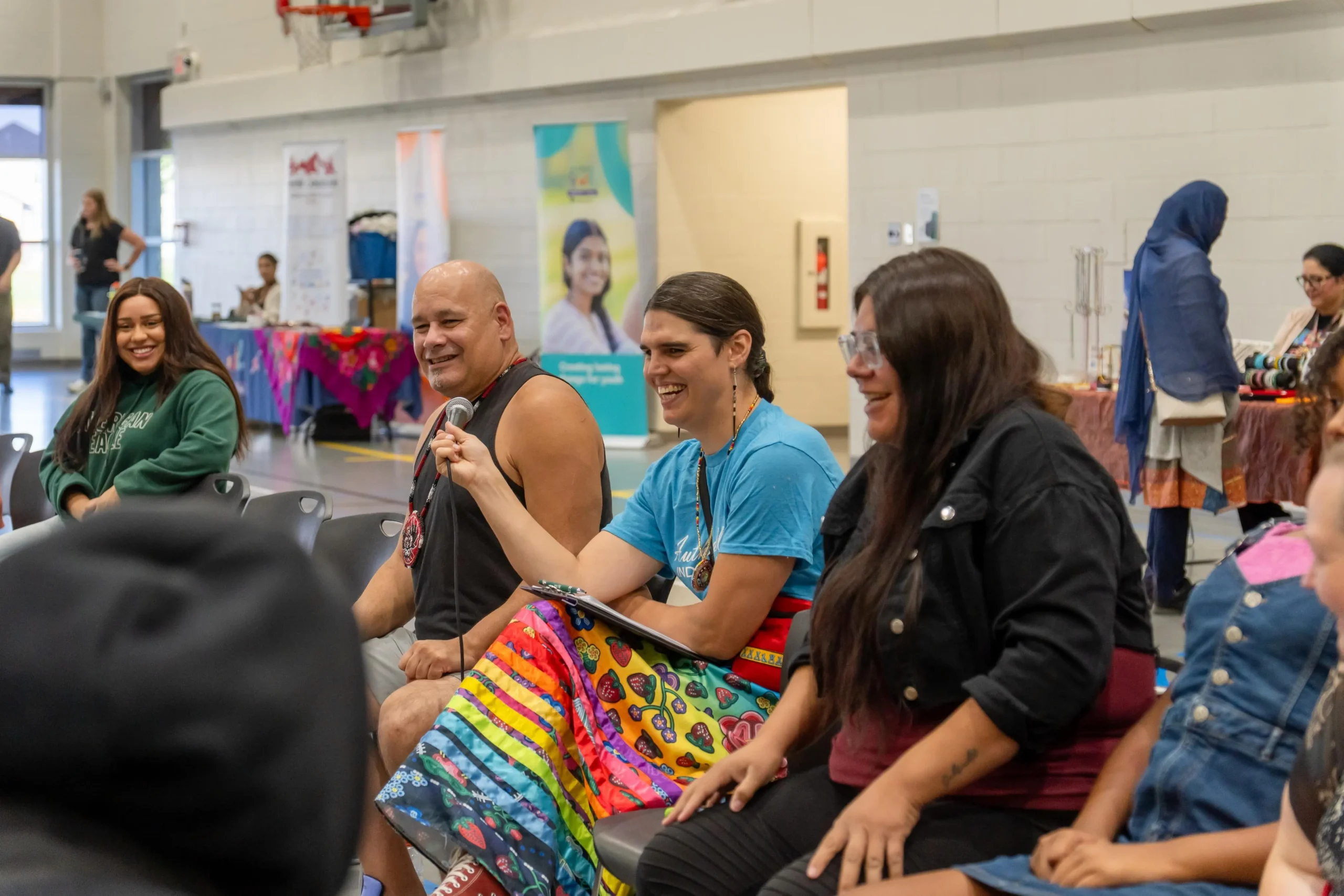
Walk for Reconciliation
Each year on June 21, National Indigenous Peoples Day, Trellis staff, families partners and community members gather for the Walk for Reconciliation, hosted in partnership with the Aboriginal Friendship Centre of Calgary and The Confluence. Together, we honour Survivors, remember the children who never came home, and celebrate the strenth and vibrancy of Indigenous communities.
The Walk began in 2009 as a collaboration between Trellis Society and the Aboriginal Friendship Centre of Calgary. Today the Walk remains a meaningful gathering rooted in truth, learning and our ongoing commitment to reconciliation.
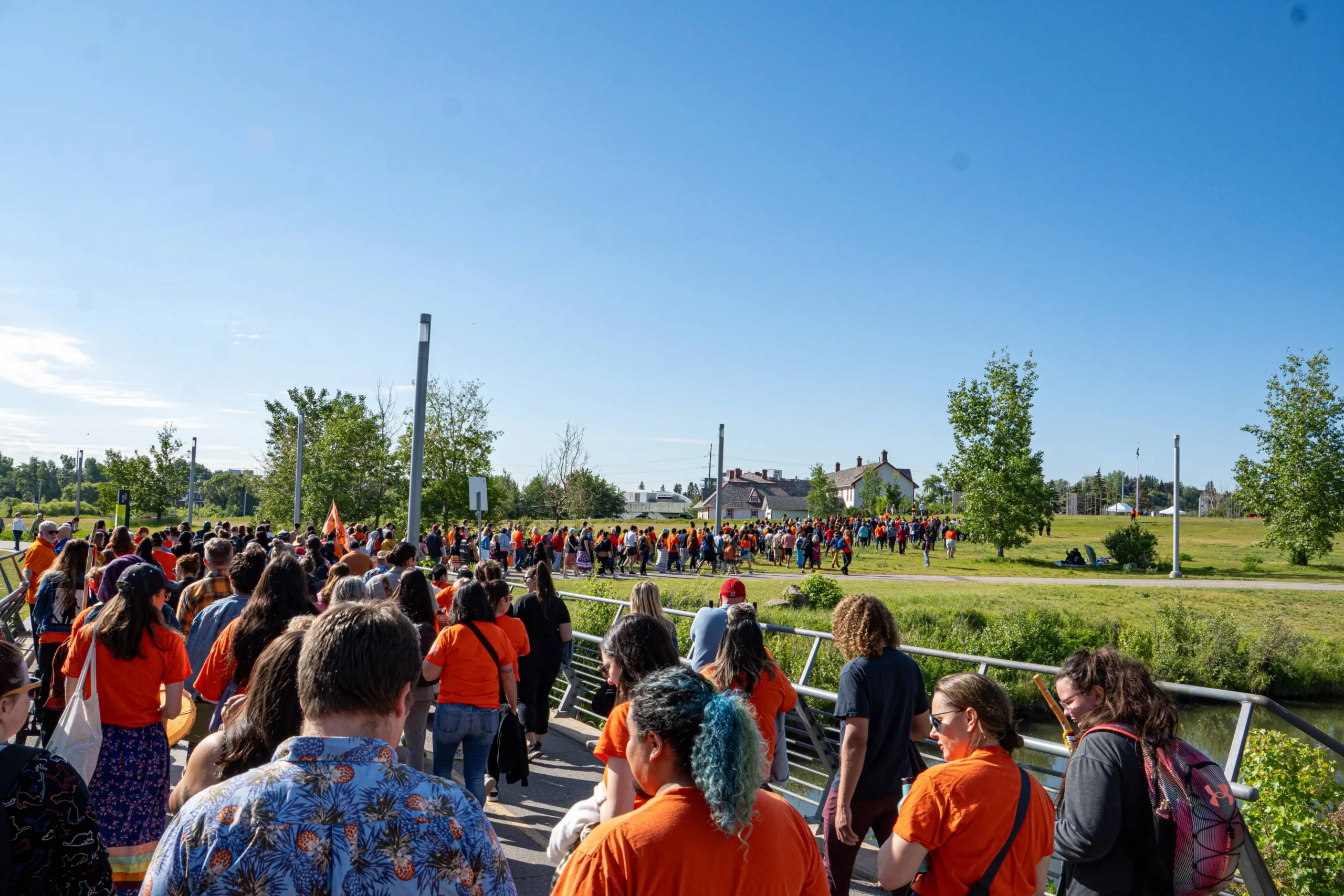
Aboriginal Awareness Week
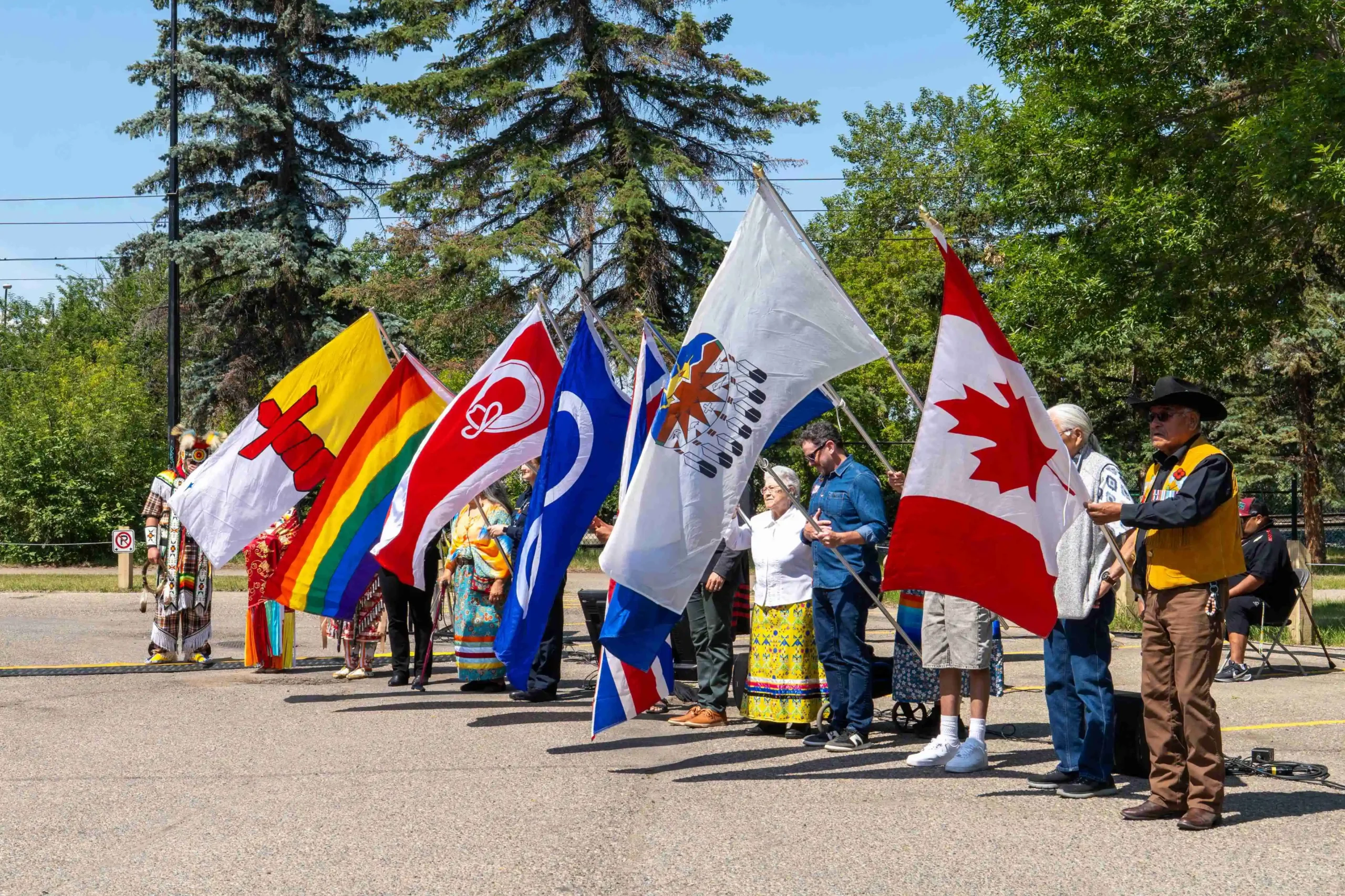
Trellis is proud to be a part of Aboriginal Awareness Week Calgary (AAWC), a city-wide celebration that honours the heritage, traditions and enduring strength of First Nations, Métis and Inuit peoples. Throughout the week, communities across Calgary gather for cultural events, learning opportunities and celebrations that uplift Indigenous voices and deepen understanding of the histories and contributions of Indigenous Peoples.
AAWC reflects the pride, resilience and leadership of Indigenous communities and invites all of us to learn, connect and walk forward in the spirit of respect and reconciliation.
Interested in being a sponsor for 2027’s Aboriginal Awareness Week Opening Ceremonies? Contact our Director of Indigenous Initiatives at swade@growwithtrellis.ca.
Encouraging Belonging and Inclusion for Youth
Iiyika’kimaat is a Blackfoot word meaning, “to try hard.” The name was gifted to the organization after consultation with Elder Pete Standing Alone from the Blood tribe and Elder Margaret Plain Eagle from the Piikani Nation.
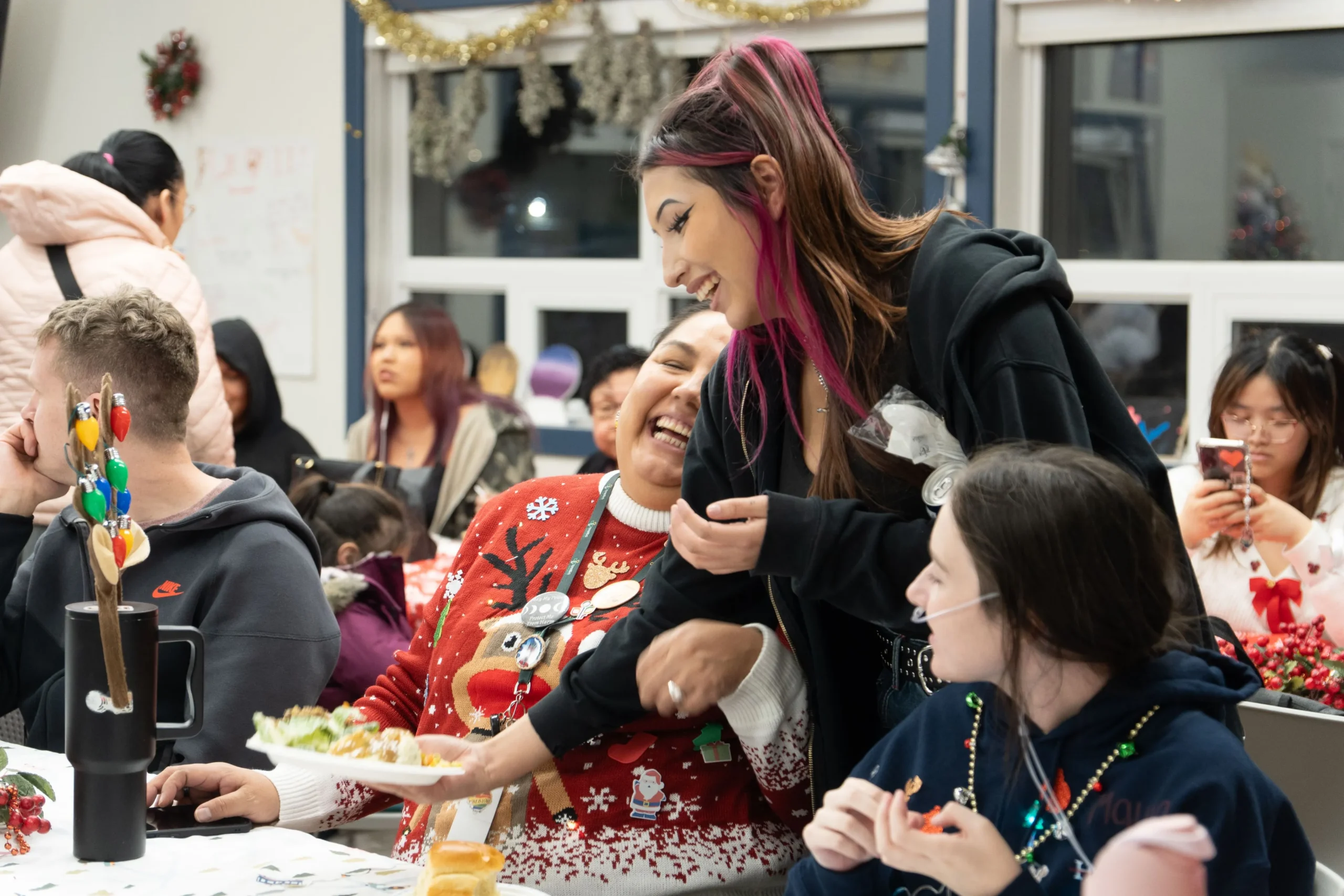
Iiyika’kimaat provides Indigenous youth, ages 12 to 21, an opportunity to reach their full potentially through culturally-relevant and leadership specific components and activities. A key focus of the program is to encourage a youth’s sense of belonging and social inclusion from an Indigenous worldview by using a strength-based approach to support the youth’s achievements, provide motivation, enhance school engagement, and develop a positive view of their personal future.
Using the Circle of Courage framework, a variety of cultural, recreational and informal opportunities are incorporated into the program with the intent to provide a positive outlet for youth to explore their true potential.
Each month our programming activities are based on five core pillars that highlight essential aspects of reconnecting with Indigenous culture and fostering youth development. These are traditional learning, land-based teaching, well-being, expanding possibilities and kinship connections.
Interested in the Iiyika’kimaat Program?
Email us to learn more about the program or sign-up.
Email Us
Program Information



Creating Safe Spaces for Connection, Healing and Dialogue
Our Circle Keepers work across Trellis programs to support Indigenous youth, individuals and families through culturally grounded care. They create safe spaces for connection, healing and dialogue while centering Indigenous ways of knowing, being and doing.
Guided by Elders and Knowledge Keepers, Circle Keepers support people through all stages of their journey with Trellis. Their work moves beyond western approaches to case management and instead honours holistic relational and traditional models of care. This includes helping people navigate systems connecting them to Indigenous resources ceremony and medicines and walking alongside youth and families through times of transition or crisis.
Circle Keepers also play an important role in strengthening cultural safety across Trellis. They share teachings, provide guidance and help ensure Indigenous knowledge is woven into everyday practice so both people served and staff feel supported, respected and seen.
Creating Stability and Safety Through a Holistic Approach
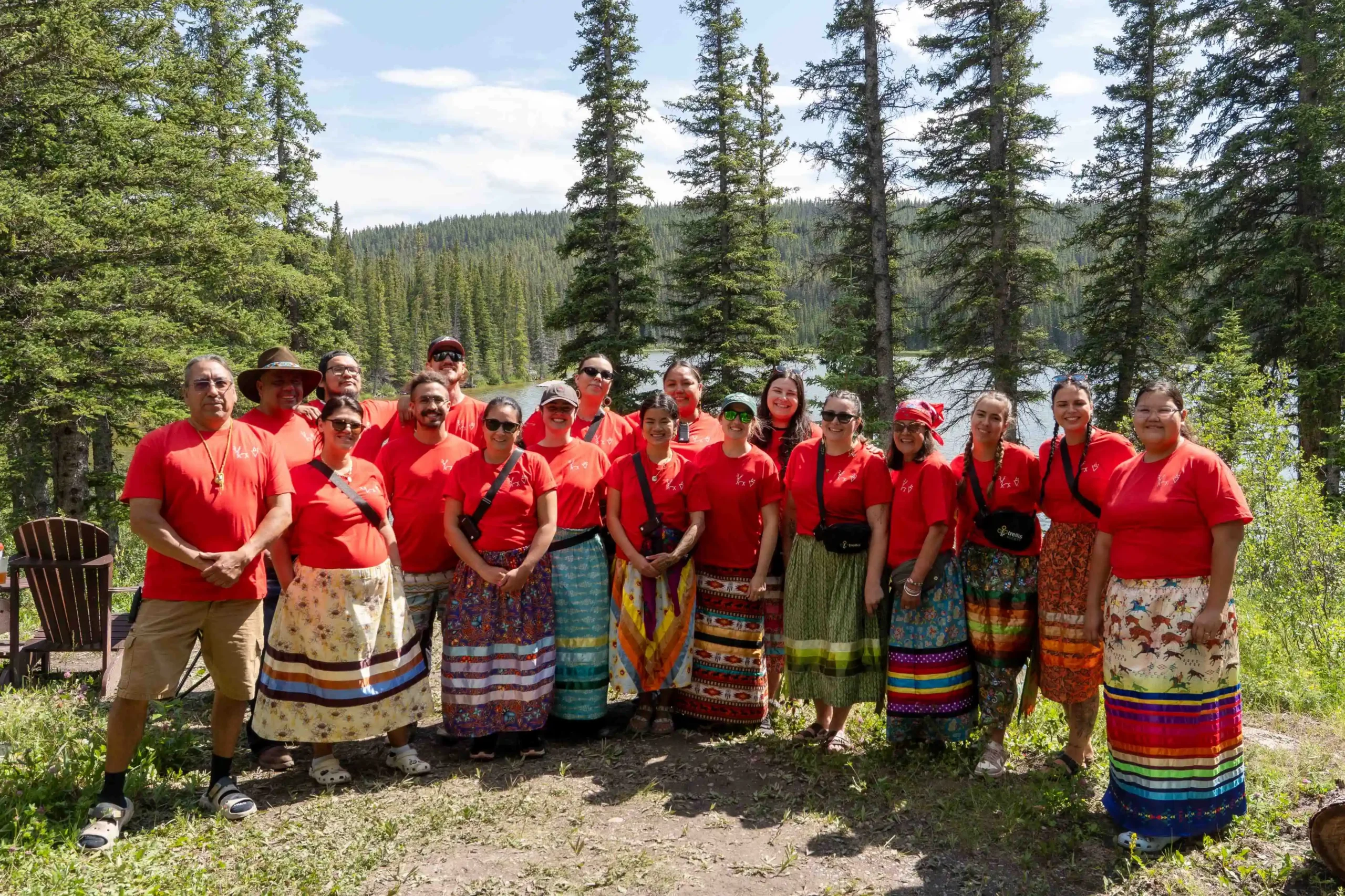
Home Fire is a housing first program for Indigenous identifying youth ages 16 to 24 who are experiencing homelessness.
This harm reduction, scattered-site housing program works alongside you to find a home while creating stability and safety through a holistic approach.
We help create space for you to explore healing from intergenerational trauma and reconcile natural supports while developing relationships and creating a strengthened sense of community so that you can grow up well and thrive.
Interested in Home Fire?
Youth must complete an assessment through the SORCe to be eligible for Home Fire.
Community referrals are not accepted.
Visit SORCe
Program Information
Eligibility
2025 Culture Camp Video & Highlights
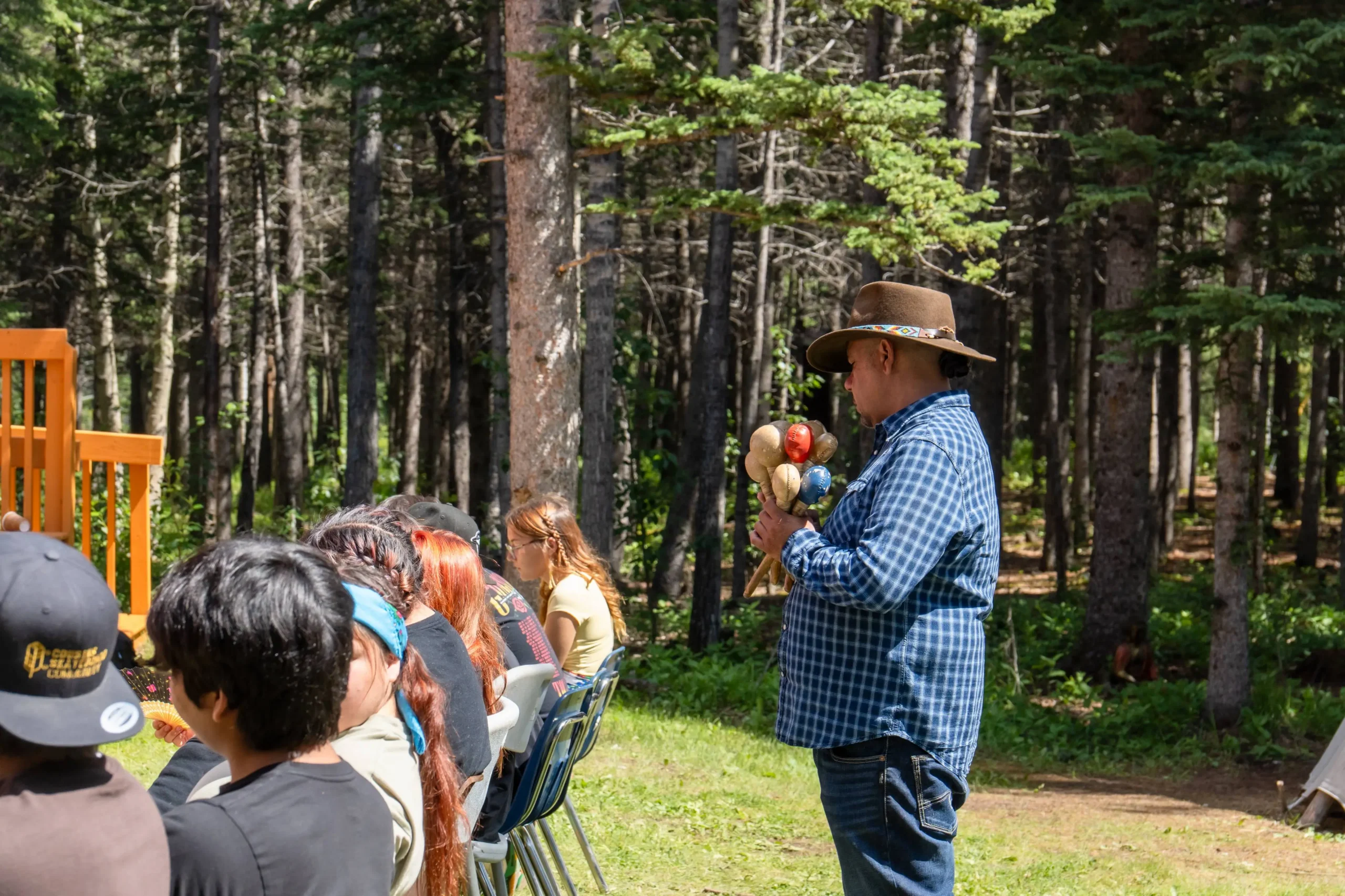
Culture Camp began as a way to reconnect Indigenous youth with their roots and traditions. For many attendees, this unique experience is their first opportunity to engage with Indigenous practices, participate in ceremonies and learn directly from Elders.
Learn More
The United Nations Declaration on the Rights of Indigenous Peoples (UNDRIP) is an international instrument adopted by the United Nations on September 13, 2007 to enshrine (according to Article 43) the rights that “constitute the minimum standards for the survival, dignity and well-being of the indigenous peoples of the world.” The first 46 articles within the UNDRIP declare that “Indigenous peoples have the right to the full enjoyment, as a collective or as individuals, of all human rights and fundamental freedoms as recognized in the Charter of the United Nations, the Universal Declaration of Human Rights and international human rights law.”
The Declaration goes on to guarantee the rights of Indigenous peoples to enjoy and practice their cultures and customs, their religions, and their languages, and to develop and strengthen their economies and their social and political institutions. Indigenous peoples have the right to be free from discrimination, and the right to a nationality.
Learn More
The Truth and Reconciliation Commission (TRC) that was formed on June 1, 2008 with the final TRC report entitled Truth and Reconciliation Commission of Canada’s Calls to Action being released in 2015. The TRC was a part of the court-approved Residential Schools Settlement Agreement and had a five-year mandate. December 2015 marked the closing of the Truth and Reconciliation Commission with final closing ceremonies and an event being hosted from May 31 – June 3, 2015.
As stated within the TRC document, the Commission sees “reconciliation being about establishing and maintaining a mutually respectful relationship between Aboriginal and non-Aboriginal peoples in this country. In order for that to happen, there has to be awareness of the past, acknowledgement of the harm that has been inflicted, atonement for the causes and action to change behaviour”. The 2015 Truth and Reconciliation Commission (TRC) report, the 1996 Royal Commission on Aboriginal Peoples (RCAP) and the 2007 United Nations Declaration on the Rights of Indigenous Peoples (UNDRIP) provide the groundwork for creating spaces, services and programs that are inclusive and respectful of Indigenous paradigms, values and context.
Within this knowledge and understanding, Trellis recognizes the importance of working as an ally and the role we have in reconciliation. Working from a trauma-informed perspective, we continually seek ways to gather the knowledge and skills needed to best support the people who reach out to the organization.
Learn More